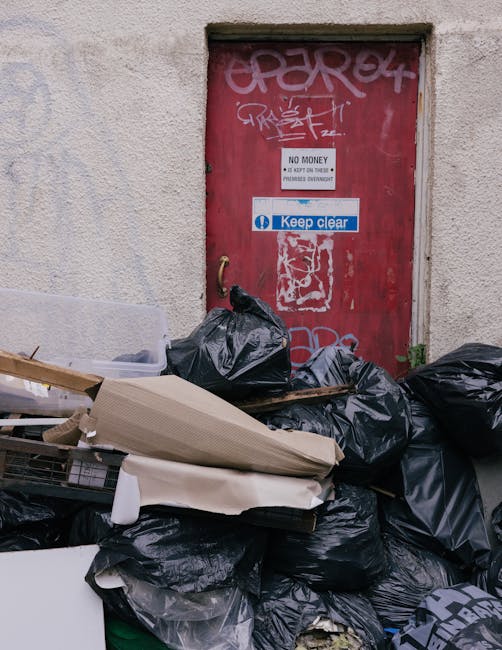
Croydon Road garden rubbish clearance advice for BR3 homes
If your garden has started to feel like a holding area for branches, soil, bagged weeds, broken fencing, and the odd forgotten planter, you are not alone. Croydon Road garden rubbish clearance advice for BR3 homes is really about getting the outside space back under control without creating more hassle than the mess itself. In a busy part of BR3, that often means thinking carefully about access, disposal rules, time, and the most sensible clearance method for your property.
This guide walks you through the practical side of it: what counts as garden rubbish, how clearance usually works, the main options, where people trip up, and how to choose a tidy, efficient approach that fits a Croydon Road home. Nothing fluffy. Just the stuff that helps you make a decent decision and, ideally, end up with a garden that feels usable again.
Table of Contents
- Why it matters
- How it works
- Key benefits and practical advantages
- Who needs this and when it makes sense
- Step-by-step guidance
- Expert tips for better results
- Common mistakes to avoid
- Tools, resources and recommendations
- Law, compliance, standards, or best practice
- Options, methods, or comparison table
- Case study or real-world example
- Practical checklist
- Conclusion
- Frequently asked questions
Why Croydon Road garden rubbish clearance advice for BR3 homes Matters
Garden waste builds up in a sneaky way. One weekend it is a few hedge clippings and a broken bag of compost, and the next it is a corner of the garden you quietly avoid looking at. On Croydon Road and the wider BR3 area, many homes have compact rear access, side passages, shared boundaries, or limited on-street space, so a pile of garden rubbish can become more awkward than it first appears.
Good advice matters because the wrong approach can waste time, damage lawns or paving, and lead to unnecessary trips to the tip or the wrong container. It can also become a compliance issue if waste is handed to someone who is not licensed to take it away. That part is boring until it is your problem, then it suddenly is not boring at all.
There is also the seasonal angle. After heavy pruning in spring, a post-storm tidy-up, or a late-summer cutback, garden waste tends to arrive in bulk. If you wait too long, damp green waste starts smelling, bags split, and little piles of timber or soil become harder to move safely. Truth be told, you notice the difference more in a small garden than in a big one. The space just feels cramped, sooner.
How Croydon Road garden rubbish clearance advice for BR3 homes Works
At a practical level, garden rubbish clearance is a simple process: identify what needs removing, sort it into the right categories, choose a collection method, and make sure the waste goes to the correct destination. The detail, as always, is where the time goes.
For most BR3 homes, the process usually looks like this:
- Walk the garden and separate green waste from mixed rubbish.
- Check for bulky or heavy items such as soil, turf, fencing, sleepers, or broken sheds.
- Identify anything that needs special handling, such as treated timber or hazardous materials.
- Choose the best removal method based on volume, access, and urgency.
- Arrange collection, load the waste, and make sure the site is left swept through.
Some households prefer a single-load solution for speed. Others want a more flexible option because the garden clearing is being done in stages. If you are dealing with a front garden, rear access, or narrow passageways, the access route matters as much as the waste itself. A bin bag is one thing. A pile of wet soil in a wheelbarrow on a slippy path is something else entirely.
In many cases, garden waste can be combined with other outdoor rubbish, but not always. Old paint tins, gas canisters, batteries, and certain treated items should be treated cautiously. If you are unsure, it is better to pause and sort properly than to mix everything together and create a disposal headache later.
Key Benefits and Practical Advantages
The obvious benefit is a cleaner garden. But there is a bit more to it than that.
- Better use of outdoor space: Once the clutter is gone, paths, seating areas, borders, and sheds become usable again.
- Reduced trip hazards: Loose branches, broken pots, and stacked materials create avoidable risks, especially in wet weather.
- Less smell and pest attraction: Damp green waste left too long can start to attract flies or make a garden corner unpleasant.
- Faster project progress: If you are landscaping, fencing, or reseeding, clearing the waste first makes the rest easier.
- Cleaner finish: Professional or well-planned clearance means less leftover debris, fewer repeat visits, and a tidier result overall.
There is also a mental benefit people underestimate. A cluttered garden quietly drags on you. You see it from the kitchen window, you keep meaning to sort it, and each week it becomes a little more annoying. Once the space is cleared, the whole house tends to feel lighter. Slightly calmer. That sounds sentimental, maybe, but it is true.
Expert summary: The best garden rubbish clearance plan is usually the one that matches your access, waste type, and timing rather than simply the cheapest or quickest option on paper. For BR3 homes, small access routes and mixed garden waste are often the deciding factors.
Who This Is For and When It Makes Sense
This advice is useful if you are a homeowner, landlord, tenant, or property manager dealing with outdoor waste on or near Croydon Road. It is especially relevant if the garden has been neglected after a busy season, a move, a renovation, or a stretch of bad weather.
It tends to make sense when:
- You have more waste than a normal bin day can handle.
- The garden contains a mix of green waste and bulky debris.
- You need the area cleared before sale, rental, or photos.
- You are preparing for landscaping or repair work.
- You do not have the time, vehicle, or physical help to move everything yourself.
It also suits people who want the work done quickly and neatly. Let's face it, hauling muddy branches through a hallway is not most people's favourite Saturday. If the access is awkward or the waste is heavy, an organised clearance plan saves a lot of backache.
There are cases where a simple DIY run to a local waste site may be fine, especially for a few bags of cuttings. But once you get into larger quantities, mixed materials, or soil and rubble, the job starts to need a more considered solution. That is where good advice earns its keep.
Step-by-Step Guidance
If you want a smoother clearance, work through the job in stages. Rushing tends to lead to overfilled bags, half-finished piles, and at least one awkward moment with a thorny branch wedged in the wrong place.
1. Do a full garden sweep
Start by walking the full space. Check borders, behind sheds, under tarps, around beds, and in corners where old pots and offcuts like to hide. Make a note of anything bulky or heavy. Sometimes the most annoying waste is not obvious at first glance.
2. Separate waste by type
Group green waste, timber, soil, fencing, old furniture, and general outdoor rubbish separately. Clean segregation helps you choose the right disposal route and avoids mixing items that should not go together. Wet soil is especially tricky; it is far heavier than it looks.
3. Decide what can be reused or composted
Not every branch or plant needs to be thrown away. Healthy cuttings, leaves, and some plant matter can be composted, if you have space and the right setup. Broken planters, diseased plants, and treated timber are a different story. Be selective, not sentimental.
4. Consider access and load-out distance
For Croydon Road homes, the route from garden to collection point matters. If items must pass through a narrow side return or over steps, the loading method should reflect that. This is where many jobs slow down unexpectedly. A short path can save serious time.
5. Choose the collection method
Depending on volume, you might choose a skip, a wait-and-load service, a man-and-van collection, or a more specialised garden waste removal option. Each has different strengths. More on that below.
6. Make the area ready before collection
Stack waste safely, keep clear pathways, and ensure vehicles can access as agreed. If you are using a skip or any service with loading restrictions, make sure the waste is ready in the right format. A tidy stack is much quicker to clear than a loose scramble of bags and offcuts.
7. Finish with a sweep-through
Once the waste is gone, sweep up loose twigs, soil, and leaf debris. You will notice the difference instantly. That final clean-up is often what makes the whole job feel properly done rather than merely moved around.
Expert Tips for Better Results
These are the little things that save trouble later.
- Keep wet green waste separate from dry waste: Wet material gets heavier and messier fast, and it can complicate loading.
- Cut long branches down to manageable lengths: This makes handling safer and usually quicker.
- Check for hidden contaminants: Garden bags often contain plastic ties, broken tools, or bits of general household rubbish.
- Plan around weather: A wet day turns a simple garden clear-out into a slippery, slower job. If you can choose, pick a dry morning.
- Use sturdy sacks or bulk bags where needed: Thin bags split, and that is never fun when they are full of clippings and soil.
A useful habit is to sort as you cut. If you finish all the pruning first, the pile can become surprisingly chaotic. Sort as you go and the end result is calmer. Not glamorous, but effective.
If you are planning a larger tidy-up, a broader service like garden waste removal can be a better fit than trying to improvise with multiple small trips. For mixed outdoor debris or heavier loads, it is often worth comparing it with rubbish removal so you can choose the option that suits the job rather than forcing the job to suit the option.
Common Mistakes to Avoid
Most garden clearance problems are avoidable. The usual mistakes are not dramatic, just irritating. And expensive, if you get them wrong enough times.
- Mixing everything together: Green waste, rubble, timber, and hazardous items should not all end up in one heap.
- Underestimating weight: Soil, turf, and wet cuttings add up fast. A bag that looks manageable can become a proper lift.
- Blocking access routes: If waste is piled across paths or gates, the collection job becomes slower and less safe.
- Ignoring disposal rules for certain items: Treated timber, chemicals, and some electrical items need separate handling.
- Choosing the wrong-sized service: Too small and you need multiple visits; too large and you may pay for capacity you never use.
- Leaving the clearance until after other work starts: If you are landscaping, get the waste out first. It keeps the site cleaner and safer.
One practical example: a homeowner clears a hedge, fills a dozen bags, and then discovers half the bags are heavier than expected because the roots and soil stayed attached. Suddenly the easy job is not easy any more. A small shake-out at the start would have saved time and strain. Simple, but easy to miss.
Tools, Resources and Recommendations
You do not need a workshop full of gear, but the right basics make a noticeable difference.
| Item | Why it helps | Best for |
|---|---|---|
| Heavy-duty sacks | Less likely to split under clippings and light debris | Routine garden waste |
| Wheelbarrow | Speeds up repeated trips from back garden to loading point | Homes with longer access routes |
| Garden gloves | Protects from thorns, splinters, and damp debris | Sorting and loading |
| Pruners and loppers | Reduces branch volume and makes stacking easier | Before clearance |
| Tarpaulin | Keeps waste contained and easier to move | Bulk cuttings and branches |
As for service choices, it helps to think in terms of how you want the job to feel, not just how it looks on a price list. If you want a more hands-off experience, a collection-based service may suit you better. If you prefer to load on your own schedule, a skip may be the right call. If you are trying to keep disruption low on a tight road, wait-and-load skip hire can be worth considering because the vehicle does not sit outside for long. That can be useful in awkward parking situations.
For broader project work, you might also look at skip hire or man and van options, depending on volume and access. If you need a quick comparison of cost and capacity, skip sizes and prices is a sensible place to start.
Law, Compliance, Standards, or Best Practice
Garden waste disposal is not just a practical issue. There is a compliance side too, especially when waste leaves your property. In the UK, you should use a waste carrier or disposal route that handles material properly, and you should be cautious about handing rubbish to anyone who cannot clearly explain where it goes. If a deal sounds too casual, that is usually the cue to slow down.
For BR3 homeowners, a few best-practice points are worth keeping in mind:
- Do not burn waste unless you are sure it is appropriate and permitted: Smoke, smell, and nuisance can create problems with neighbours very quickly.
- Separate hazardous items: Paint, chemicals, oils, gas canisters, and contaminated materials need special attention.
- Ask how material will be recycled or disposed of: Responsible handlers should be able to explain the process in plain English.
- Keep proof of transfer where appropriate: For your own records, it is sensible to keep paperwork or confirmation, especially for larger jobs.
Best practice also means looking after the site. Clear access, safe lifting, no sharp debris left behind, and no overloaded bags dragging across paving. These small details matter because they reduce damage and make the whole job feel more professional. If you are using a contractor, that standard should be visible from the first visit.
If you want reassurance around operational standards, the pages on health and safety policy and insurance and safety are sensible supporting reads. For customers comparing how materials are handled, recycling and sustainability can also help set expectations.
Options, Methods, or Comparison Table
Choosing the right method comes down to access, volume, waste mix, and how quickly you want the garden cleared. Here is a straightforward comparison.
| Method | Best for | Pros | Watch out for |
|---|---|---|---|
| DIY bagging and local disposal | Small volumes of cuttings | Low cost, simple for light jobs | Time-consuming, labour-heavy, limited by vehicle space |
| Skip hire | Medium to large clearances | Good capacity, flexible loading | Needs space, possible permit considerations |
| Wait-and-load | Fast clearances with limited parking | No long roadside placement, quick turnaround | Everything must be ready to load |
| Man and van removal | Mixed garden rubbish and bulky items | Useful for awkward access, labour included | Not ideal for very large volumes if staged over days |
| Garden-specific removal | Green waste and pruning debris | Tailored for garden materials, often efficient | Less suited to mixed rubble or dismantled structures |
In a street like Croydon Road, the best option is often the one that balances access and speed. A large skip is great in the right setting, but if parking is tight or the waste is being cleared from a rear garden with awkward access, a collection-led solution can be much smoother. There is no one-size-fits-all answer. Which is annoying, yes, but also useful because it means you can match the job properly.
Case Study or Real-World Example
A fairly typical BR3 scenario looks like this: a homeowner has let a back garden slide through winter. There are bags of cuttings near the fence, broken fence panels stacked by the shed, a few pots with dead plants, and a patch of soil from a border that was dug out months ago and never dealt with. Nothing dramatic, just a garden that has quietly become cluttered.
The first issue was access. The side return was narrow, so wheelbarrows had to be planned carefully. The second issue was waste mix. Green waste was mixed with timber and a small amount of general rubbish, which meant the whole lot could not simply be treated as one green load. The third issue was timing, because the homeowner wanted the space ready for a planting weekend and did not want the mess hanging around.
The solution was straightforward once the categories were separated. Branches and clippings were grouped first. Heavier items were split out. Loose debris was bagged properly. Then the loading route was cleared so nothing had to be carried across a cluttered path. The difference at the end was quite satisfying, actually. The garden looked bigger, brighter, and easier to use almost immediately.
The lesson? The clearance becomes simpler when you sort before you move. It sounds obvious, but that is often the bit that gets skipped when people are in a hurry.
Practical Checklist
Use this before you start, and the job usually goes better.
- Walk the whole garden and identify every waste pile.
- Separate green waste, timber, soil, rubble, and general rubbish.
- Look for hazardous or restricted items and set them aside.
- Check access points, gates, steps, and parking space.
- Choose the right clearance method for the volume and layout.
- Use strong bags, tarps, or containers for loose material.
- Keep paths clear for safe movement.
- Decide whether anything can be composted or reused.
- Confirm how the waste will be handled and disposed of.
- Sweep up loose debris after collection.
If you tick those boxes, you are already ahead of most rushed clear-outs. Honestly, that alone can save a surprising amount of faff.
Conclusion
Croydon Road garden rubbish clearance advice for BR3 homes comes down to a few simple habits: sort properly, plan for access, choose the right disposal method, and do not leave heavy or mixed waste to chance. Garden clearance is easier when the thinking happens before the lifting. Small detail, big difference.
For many BR3 homeowners, the best result is not just a cleaner garden but a calmer one. Less clutter. Safer paths. More room to enjoy the outside space, even if it is only for a quick cup of tea on a mild evening. That is the real payoff.
Get a free quote today and see how much you can save.
Frequently Asked Questions
What counts as garden rubbish in a BR3 home?
Garden rubbish usually includes branches, hedge cuttings, leaves, weeds, old plants, turf, soil, broken pots, damaged fencing, timber offcuts, and similar outdoor waste. Mixed rubbish from sheds or patios may also be included, but it is best to separate anything that needs special handling.
Is it better to use a skip or a removal service for garden waste?
It depends on volume and access. A skip suits larger projects and staged loading, while a removal service is often easier for awkward access, mixed loads, or quicker one-off clearances. In tight spots, the removal option can feel much less stressful.
Can I put soil and turf in the same load as branches?
Often yes, but it is better to check how the service handles mixed waste. Soil and turf are heavy, and mixing them with branches can affect capacity and pricing. If there is a lot of soil, it may be worth separating it out first.
Do I need a permit for garden clearance on Croydon Road?
A permit may be relevant if a skip or vehicle needs to occupy public highway space, but the exact requirement depends on the setup. If the collection stays fully on private property, a permit may not be needed. It is sensible to confirm this before booking.
What should I do with old fence panels or timber?
Set them aside from green waste. Treated timber and fence panels are usually managed differently from branches and clippings. If the wood is painted, treated, or damaged by contamination, it should be treated cautiously and not just thrown in with garden cuttings.
How can I reduce the cost of garden rubbish clearance?
Sorting waste properly, separating heavy material, and making access easy can reduce labour time and avoid unnecessary loading issues. It also helps to compare the right service type for the job, rather than choosing a larger option than you actually need.
What if my garden waste smells or has been left for weeks?
Damp green waste can smell, especially after rain or warm weather. If it has been sitting for a while, move it carefully, use gloves, and separate anything slimy or mouldy from cleaner material. The sooner it is removed, the easier it is to manage.
Can garden rubbish be recycled?
Much of it can be, especially clean green waste. Branches, grass cuttings, leaves, and some plant material are often suitable for recycling or composting routes. Mixed rubbish, contaminated material, and certain treated items may need different handling.
How quickly can a garden clearance be done?
That depends on the volume, access, and waste type. A small tidy-up can be surprisingly fast, while a larger clearance with soil, timber, or awkward access may take longer. If speed matters, have everything sorted and ready before the team arrives.
Is it safe to burn garden waste instead of removing it?
Not always. Burning can cause smoke, smell, and nuisance, and it may not be appropriate for every property or waste type. It is better to treat burning as a last resort and check whether it is suitable before considering it.
What if I only have a few bags of clippings?
For a very small amount, a simple local disposal method may be enough. But if the bags are heavy, mixed with soil, or you do not have a suitable vehicle, a dedicated collection can still be the easier option. Sometimes the small jobs are the ones that quietly steal your weekend.
Where can I learn more about related waste services?
If you are comparing wider clearance options, pages like garden waste removal, rubbish removal, and skip hire can help you understand which approach best suits your property and the type of waste you have.